
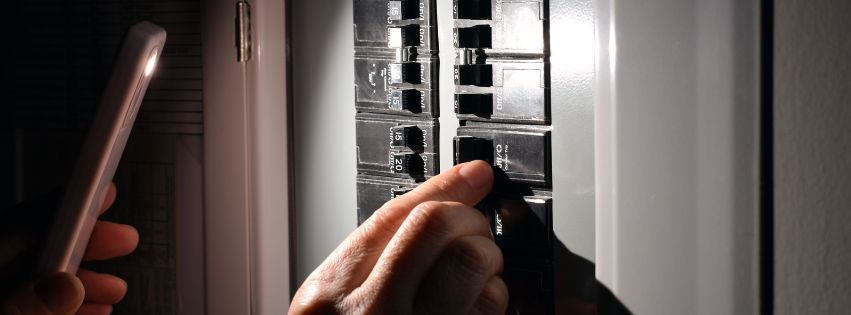
If you are comparing electrical panel replacement cost in Seattle, the first estimate can be confusing. One electrician may price a simple panel swap. Another may include a complete service upgrade, meter work, grounding, permits, and utility coordination.
Those are very different projects. As a result, comparing only the final price can hide important differences in safety and scope. A low estimate can become expensive when required work appears after installation begins.
A professional electrical panel repair and replacement evaluation in Seattle should define the scope before giving a firm price. The electrician must inspect the equipment, calculate the load, and identify utility or permitting requirements.
What Does Electrical Panel Replacement Cost in Seattle?
Published Seattle-area estimates vary widely. For 2026 planning, local pricing guides place many panel replacements between approximately $3,500 and $9,000.
Published estimates for a 100-to-200-amp service upgrade range from roughly $4,000 to $16,000. Relocating a panel or replacing major meter and mast equipment can cost more.
These figures are planning ranges, not a Smart Electric Seattle quote. Every property has a different service path, wiring condition, grounding system, and utility connection. An onsite evaluation is the only reliable way to price the actual work.
Typical Seattle Electrical Panel Cost Ranges
| Project type | Published planning range | What can change the price |
|---|---|---|
| Same-size panel replacement | $3,500–$9,000 | Panel condition, number of circuits, ease of access, and safety repairs |
| Upgrade from 100 to 200 amps | $4,000–$16,000 | Meter replacement, utility work, new wiring, permits, and panel location |
| Panel relocation or major service changes | $10,000–$20,000+ | Moving equipment, opening walls, underground work, and utility coordination |
| New subpanel | $1,500–$3,500 | Installation distance, number of circuits, accessibility, and available power |
These ranges were reviewed in August 2026 using current Seattle-area pricing guides. Material costs, permit fees, labor rates, and utility requirements can change.
Electrician’s Note: A 200-amp-rated panel does not create a 200-amp service by itself. A complete upgrade may require larger service conductors, a compatible meter base, grounding work, utility approval, and a new load calculation.
Why Electrical Panel Replacement Cost Varies in Seattle
Panel replacement and service upgrades are different
A panel replacement changes the equipment that distributes electricity through the home. The available service capacity may remain the same.
A service upgrade increases capacity. It may affect equipment from the utility connection through the meter and main disconnect.
This distinction creates some of the largest pricing differences. It also explains why two estimates labeled “200-amp panel” may cover completely different work.
The load calculation may change the recommendation
We calculate existing and planned loads before recommending more capacity. EV chargers, heat pumps, electric water heaters, induction ranges, hot tubs, and DADUs can all affect demand.
A properly maintained 100-amp service may still support a modest home. Some properties can use approved load management instead of installing a larger service. Because of this, upgrading by assumption can waste money.
Meter, mast, and utility work add scope
A complete service upgrade may require a new meter base, mast, weatherhead, service conductors, or exterior disconnect. Underground services can add trenching or raceway work.
Relocating equipment may also require longer feeder runs and repairs to drywall or siding.
Seattle City Light requires an electric service application for service alterations and upgrades. The process may require plans, load calculations, and coordination before the electrical cutover.
Grounding, bonding, and existing wiring matter
Panel work can uncover outdated grounding, improper bonding, damaged feeders, double-tapped terminals, or unlisted breakers. These problems must be corrected as part of a safe installation.
Loose electrical connections create resistance. That resistance creates concentrated heat, which can damage conductors, breakers, and bus assemblies.
A home electrical inspection can identify broader problems before a remodel or home purchase. If aging branch circuits drive the scope, the property may also need home rewiring.
Breaker protection and optional upgrades affect the total
New work may require AFCI or GFCI protection where the adopted electrical code applies. Breaker type and circuit count can significantly affect material costs.
Smart panels, generator interlocks, and energy-management equipment may increase the price. However, these features can help prepare a home for future electrical loads.
Panel replacement is also a practical time to consider whole-home surge protection. A surge protective device helps limit transient voltage before it reaches sensitive electronics.
Why This Matters for Seattle Area Homes
Capitol Hill, Queen Anne, West Seattle, and other established neighborhoods contain homes from many electrical eras. We often find limited panel space, 60-amp or 100-amp services, altered wiring, and older grounding systems.
Newer Eastside homes can face a different problem. EV charging, heat pumps, home offices, and smart-home equipment may fill a panel sooner than expected.
In both cases, the correct solution starts with the equipment condition and calculated demand. Panel age alone does not determine the scope.
Seattle also operates its own electrical permitting and inspection program. Outside city limits, Washington L&I or another local jurisdiction may handle the permit. That difference can affect project timing and coordination.
The Smart Electric Seattle Process
We build our estimates from the actual scope, not a generic amp rating. This gives homeowners a clearer comparison and helps prevent unexpected costs.
Our process includes:
- Understanding your immediate and future electrical goals
- Inspecting the panel, meter, mast, feeders, and service conductors
- Checking grounding, bonding, and visible branch wiring
- Completing a code-compliant electrical load calculation
- Comparing repair, replacement, subpanel, and service-upgrade options
- Evaluating whether approved load management is appropriate
- Defining permit, utility, inspection, access, and outage requirements
- Installing listed equipment to adopted electrical standards
- Labeling circuits and cleaning the work area
- Coordinating inspection and completing a homeowner walkthrough
An isolated equipment problem may only need targeted electrical repairs and upgrades. We recommend replacement when the panel’s condition, capacity, or compatibility supports it.
Need a clear panel estimate? Contact Smart Electric Seattle to schedule an onsite electrical evaluation.
How to Compare Electrical Panel Quotes
Ask each contractor to describe the same project scope. A useful estimate should clearly show what is included, what is excluded, and what could trigger a change order.
Before choosing an electrician, ask:
- Is this a panel replacement or a complete service upgrade?
- What will the finished service rating be?
- Are the meter base, mast, and service conductors included?
- Does the price include grounding and bonding corrections?
- Are permits, inspections, and utility coordination included?
- How many standard, AFCI, and GFCI breakers are included?
- Will the work require drywall, siding, or trench repairs?
- Is circuit labeling and cleanup included?
- What warranty applies to labor and equipment?
- Who will purchase the electrical permit?
For a larger project, review the available payment options before work begins. Your budget should reflect the final approved scope, not an incomplete starting estimate.
The DIY & Handyman Filter
A main electrical panel is not a reasonable handyman project. Service equipment can contain energized components upstream of the main breaker.
High fault current can turn one loose termination or incorrect movement into a severe shock, arc-flash, or fire hazard.
Washington L&I states that electrical work generally requires a permit and inspection. When you hire an electrical contractor, that contractor must purchase the permit for its work.
Seattle also requires professional permit applicants to hold the appropriate state electrical contractor and city business licenses.
Avoid these dangerous shortcuts:
- Upsizing a breaker to prevent repeated trips
- Installing breakers that are not listed for the panel
- Double-tapping terminals not designed for two conductors
- Hiding electrical junction boxes behind finished walls
- Treating power strips as permanent electrical capacity
- Hiring unlicensed help to avoid permits and inspections
An oversized breaker can let undersized wiring overheat before the breaker opens. That is why the breaker, conductor, equipment, and calculated load must work as one system.
Warning Signs You Shouldn’t Ignore
Call an electrician if you notice:
- Burning odors, smoke, sparks, or melted insulation
- Buzzing, crackling, or popping from the panel
- Unusual heat on breakers or the panel cover
- Repeated main-breaker trips
- Several circuits losing power together
- Lights brightening and dimming across multiple circuits
- Water entry or heavy corrosion near the panel
- Open panel spaces or missing protective covers
- Damaged breakers or exposed energized components
Key takeaway: Cost planning can wait when a panel shows heat, smoke, arcing, or widespread voltage changes. Those conditions need prompt professional attention.
When to Call a Seattle Electrician
Call for immediate service
Call promptly for smoke, burning odors, scorching, arcing sounds, active water exposure, or widespread voltage changes.
If it is safe, stop using the affected circuits. Call 911 when there is a fire, visible smoke, or an immediate life-safety emergency.
Schedule a cost and capacity evaluation
Schedule an evaluation before adding an EV charger, heat pump, induction range, hot tub, DADU, or major remodel.
Early planning provides time for load calculations, equipment selection, permits, budgeting, and utility coordination.
Frequently Asked Questions
How much is electrical panel replacement cost in Seattle?
Published 2026 Seattle-area planning ranges place many panel replacements around $3,500 to $9,000. A 100-to-200-amp service upgrade may range from roughly $4,000 to $16,000. Meter work, relocation, trenching, grounding corrections, breaker requirements, and utility coordination can move the final price higher.
Does a new 200-amp panel include a 200-amp service upgrade?
Not automatically. A 200-amp-rated panel can be installed while the service remains smaller. A true capacity upgrade may require larger service conductors, meter equipment, grounding changes, utility approval, and a load calculation. Ask the electrician to identify the completed service rating in writing.
Can load management reduce the cost of a panel upgrade?
Sometimes. Approved load-management equipment can control EV charging or other flexible loads so demand stays within service capacity. It cannot repair damaged or obsolete equipment. An electrician must evaluate the panel, calculated load, equipment listing, and local requirements before recommending this approach.
Get a Clear Seattle Panel Replacement Estimate
Electrical panel replacement cost in Seattle depends on much more than the box mounted on the wall. The final scope may involve capacity, service conductors, grounding, breakers, permits, inspections, and utility coordination.
Smart Electric Seattle evaluates the entire system and explains the available options. We then define the permitted scope before work begins.
Contact Smart Electric Seattle for a safe panel evaluation and a clear estimate for your Seattle or Eastside home.