
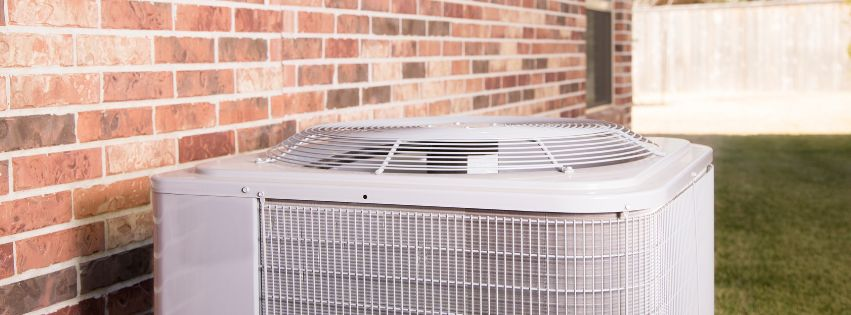
Your air conditioner may run normally during a mild spring afternoon. Then Seattle’s first hot week arrives, and the system suddenly cannot keep up.
Weak airflow, warm air, short cycling, and rising energy bills often develop before a complete breakdown. Waiting can lead to uncomfortable rooms, water damage, or expensive component failure.
This maintenance AC guide explains what homeowners can safely handle and what requires professional service. With routine care, your cooling system can operate more efficiently and reliably.
Ready to prepare your system for summer? Schedule AC maintenance with Smart Electric Seattle.
Why Maintenance AC Service Matters for Seattle Area Homes
Seattle’s cooling season may be shorter than those in warmer climates. That does not mean local air conditioners have an easy job.
Our cool, damp winters allow leaves, dirt, moss, and moisture to collect around outdoor equipment. When summer arrives, the system may go from sitting idle to running for hours.
Homes in Capitol Hill, Queen Anne, West Seattle, Bellevue, and Kirkland also vary widely in age and design. Some have older ductwork and electrical systems. Others use modern heat pumps or ductless equipment.
A maintenance AC appointment helps uncover problems before peak cooling demand exposes them.
Restricted Airflow Creates More Than Comfort Problems
Your air conditioner must move a specific amount of air across the evaporator coil. A clogged filter, dirty blower wheel, blocked return, or closed register reduces that airflow.
As a result, the evaporator coil can become too cold. Moisture may freeze on the coil and form a layer of ice. Cooling performance then falls even further.
Restricted airflow also forces the blower motor to work harder. This can increase energy use and accelerate motor wear.
Dirty Coils Reduce Heat Transfer
An air conditioner does not create cold air. It moves heat from inside your home to the outdoors.
The indoor evaporator coil absorbs heat. The outdoor condenser coil releases that heat. Dirt on either coil acts like insulation and interferes with this process.
Because of this, the compressor may run longer to reach the thermostat setting. Longer cycles increase energy use and place more wear on one of the system’s most expensive components.
Loose Electrical Connections Create Heat
Air conditioners rely on contactors, capacitors, disconnects, motors, and control wiring. These components experience vibration and temperature changes during operation.
A loose terminal creates electrical resistance. Resistance produces heat, which can damage wiring insulation and terminals. It may also cause intermittent operation or complete equipment failure.
Electrician’s Note: A scorched terminal is not fixed by tightening it and walking away. We inspect the conductor and connected component because heat can damage both.
What Professional Maintenance AC Service Should Include
A professional tune-up should be more than a quick filter change. The technician must inspect how the complete system starts, runs, drains, and responds to controls.
At Smart Electric Seattle, our AC maintenance service focuses on performance, reliability, and early problem detection.
Air Filter and Airflow Inspection
We inspect the filter and confirm that it fits correctly. A filter that is too restrictive can reduce airflow, even when it looks clean.
We also check accessible returns, registers, and blower components. Weak airflow may point to a dirty blower, duct restriction, improper fan setting, or failing motor.
Installing the highest-rated filter available is not always the right choice. The filter must match the system’s airflow capacity.
Evaporator and Condenser Coil Inspection
We examine the indoor and outdoor coils for dirt, corrosion, debris, and signs of damage. When cleaning is needed, we use methods appropriate for the equipment.
Aggressive scrubbing can bend delicate coil fins. Harsh chemicals may damage coatings or surrounding materials.
The outdoor unit also needs open space for airflow. Plants, leaves, fencing, and stored items can trap hot discharge air around the condenser.
Condensate Drain Check
Air conditioning removes moisture from indoor air. That water must drain through a condensate pan and drain line.
Dirt, algae, and debris can block the line. As a result, water may overflow near the furnace, air handler, ceiling, or finished flooring.
We inspect the accessible drain system and look for staining, corrosion, or standing water. Systems with condensate pumps also need pump and switch checks.
Electrical Component Testing
Professional maintenance includes inspecting accessible electrical connections and components. Depending on the system, testing may include:
- Disconnect condition
- Contactor wear
- Capacitor readings
- Supply voltage
- Motor amperage
- Wiring terminals
- Low-voltage controls
- Thermostat operation
- Compressor startup
- Safety switches
A weak capacitor can prevent a motor or compressor from starting correctly. A worn contactor may arc or overheat. Finding these issues early can prevent a no-cooling call during hot weather.
Refrigerant and Temperature Evaluation
Refrigerant does not get “used up” like fuel. A system that is low usually has a leak or another underlying problem.
Simply adding refrigerant without diagnosing the cause is not proper maintenance. The technician should evaluate system temperatures and operating conditions before recommending refrigerant work.
Refrigerant service also requires specialized tools and credentials. It is not a homeowner maintenance task.
Thermostat and Control Testing
A thermostat can cause poor temperature control, short cycling, or communication errors. We verify that it calls for cooling correctly and reads the space temperature reasonably.
Smart thermostats also need correct system configuration. Incorrect staging, equipment type, or fan settings can reduce comfort and efficiency.
If the thermostat is outdated or unreliable, explore our thermostat repair and replacement services.
Full Operating Test
After inspection and maintenance, we operate the system through a cooling cycle. We watch how it starts, runs, and shuts down.
We also listen for unusual sounds and check for vibration, drainage problems, or unstable operation. This final test confirms whether the system is ready for regular use.
The Smart Electric Seattle AC Maintenance Process
Every home and cooling system is different. Our process begins with the equipment, the homeowner’s concerns, and the building around it.
1. Understand Your Comfort Concerns
We ask about uneven temperatures, high bills, unusual noises, odors, and recent operating changes. Small details often lead us toward the source of a problem.
For example, one warm room may indicate a duct or airflow issue. A whole house that cools poorly may point to dirty equipment, low capacity, or a system fault.
2. Inspect the Indoor Equipment
We check the filter, accessible blower components, evaporator section, drain system, wiring, and controls. We also look for moisture and heat damage.
Older Seattle homes sometimes have airflow limitations that equipment maintenance alone cannot correct. We explain those limitations clearly.
3. Inspect the Outdoor Unit
The outdoor unit must release heat efficiently. We check for restricted airflow, debris, coil condition, damaged wiring, and physical wear.
We also inspect the disconnect and accessible electrical connections. Outdoor equipment faces rain, falling branches, vegetation, and accidental damage.
4. Test System Operation
We test the system under normal operating conditions. Measurements help us distinguish a developing fault from normal equipment behavior.
If we discover a repair need, we explain the cause and available options before moving forward.
5. Clean Up and Walk You Through the Results
We leave the work area clean and review what we found. You receive practical recommendations based on the system’s condition.
We also explain which tasks you can handle between visits. Good maintenance works best when the homeowner understands the basics.
Schedule professional AC maintenance today and prepare your Seattle home before temperatures rise.
Maintenance AC Tasks Homeowners Can Safely Handle
Homeowners can perform several useful maintenance tasks without opening electrical or refrigerant compartments.
Check the Air Filter
Inspect the filter regularly during cooling season. Many filters need replacement every one to three months, but conditions vary.
Homes with pets, remodeling dust, smoke, or allergy concerns may need more frequent changes. Follow the equipment and filter manufacturer’s guidance.
Make sure the airflow arrow points toward the blower. A backward filter can reduce performance or collapse inside the cabinet.
Keep Registers and Returns Open
Furniture, rugs, curtains, and stored items should not block supply registers or return grilles.
Closing too many registers does not reliably save energy. It can raise duct pressure and reduce system airflow.
Clear the Area Around the Outdoor Unit
Remove leaves and loose debris from around the condenser. Maintain the clearances required by the manufacturer.
Do not cover the unit while it is operating. Avoid planting shrubs where they will block airflow as they grow.
Watch the Condensate Drain
Look for standing water, dripping, staining, or musty odors near the indoor equipment. These signs may indicate a blocked drain or overflowing pan.
Turn the system off and schedule service if water is approaching electrical components or finished surfaces.
Use the Thermostat Consistently
Extreme thermostat changes do not make most air conditioners cool faster. They usually make the equipment run longer.
Choose a comfortable setting and allow the system time to work. Programmable or smart schedules can reduce unnecessary operation while the home is empty.
The DIY & Handyman Filter
Changing a filter and clearing leaves are reasonable homeowner tasks. Opening electrical panels or refrigerant circuits is different.
An outdoor disconnect may remain energized even when the thermostat is off. Capacitors can also retain an electrical charge after power is disconnected.
DIY work can cause:
- Electric shock
- Arc damage
- Shorted control boards
- Refrigerant release
- Compressor damage
- Water leaks
- Incorrect wiring
- Voided equipment warranties
- Delayed diagnosis of the real problem
Do not bypass a safety switch to keep the system running. A safety device may be responding to blocked drainage, excessive pressure, overheating, or another damaging condition.
Refrigerant should never be released intentionally. Handling regulated refrigerants requires proper equipment, recovery procedures, and technician certification.
Ductless systems also need specialized care. Visit our ductless mini-split services page for maintenance and equipment options.
Warning Signs You Shouldn’t Ignore
Call for service when you notice:
- Warm air coming from the registers
- Weak or inconsistent airflow
- Ice on the refrigerant line or indoor coil
- Water around the furnace or air handler
- Frequent starting and stopping
- Grinding, buzzing, squealing, or rattling
- Burning or sharp electrical odors
- A breaker that repeatedly trips
- Rooms that never reach the thermostat setting
- A sudden increase in cooling costs
- An outdoor unit that will not start
- A thermostat that loses power or behaves unpredictably
Key takeaway: Continuing to run a struggling air conditioner can turn a small airflow or electrical problem into a larger repair.
If your system already shows these symptoms, contact Smart Electric Seattle for HVAC service.
When to Call a Seattle HVAC Technician
Schedule Maintenance Soon
Schedule service before the cooling season when:
- The system has not been maintained within the past year.
- The outdoor unit contains visible debris.
- Airflow has gradually weakened.
- Utility costs have increased without a clear reason.
- The system takes longer to cool the home.
- You recently purchased the house and lack service records.
Annual maintenance is a practical baseline for many cooling systems. Heat pumps may need more frequent attention because they operate during both heating and cooling seasons.
Learn more about the broader benefits of regular HVAC maintenance.
Call for Prompt Repair
Turn the system off and request service when:
- A breaker trips repeatedly.
- You smell burning insulation.
- Water reaches electrical equipment.
- The outdoor unit makes loud electrical buzzing sounds.
- Ice continues forming after the filter has been checked.
- The compressor tries to start but quickly shuts down.
- The system runs without producing cool air.
Do not repeatedly reset a tripping breaker. Breakers trip because current has exceeded a safe level or a fault is present.
Heat pump not heating or cooling correctly? Review our heat pump repair services.
Maintenance AC FAQ
How often should I schedule maintenance AC service?
Most Seattle homeowners should schedule maintenance AC service once a year, ideally during spring. Heat pumps may need seasonal checks because they operate throughout the year. Equipment age, household conditions, and manufacturer requirements can affect the schedule, so follow the recommendations for your specific system.
What happens if I skip annual AC maintenance?
Skipping maintenance allows dirt, restricted airflow, loose connections, and drainage problems to worsen. The system may consume more energy, cool unevenly, or fail during hot weather. Neglected equipment can also suffer avoidable motor, compressor, electrical, or water damage that costs more to repair.
Can I perform AC maintenance myself?
Homeowners can replace filters, keep registers open, clear loose debris, and watch for drainage problems. Coil cleaning, refrigerant work, capacitor testing, and electrical repairs require professional training. These areas involve live voltage, stored electrical energy, regulated refrigerants, and components that can be damaged by incorrect service.
Get Your AC Ready Before the Heat Arrives
Routine maintenance gives your cooling system its best chance to operate efficiently and reliably. It also creates an opportunity to find airflow, drainage, electrical, and control problems before they become emergency repairs.
Smart Electric Seattle provides professional AC maintenance for homeowners across Seattle, Bellevue, Kirkland, Shoreline, and the Eastside.
Contact Smart Electric Seattle today to schedule code-conscious, technically thorough HVAC service before the next warm spell.