
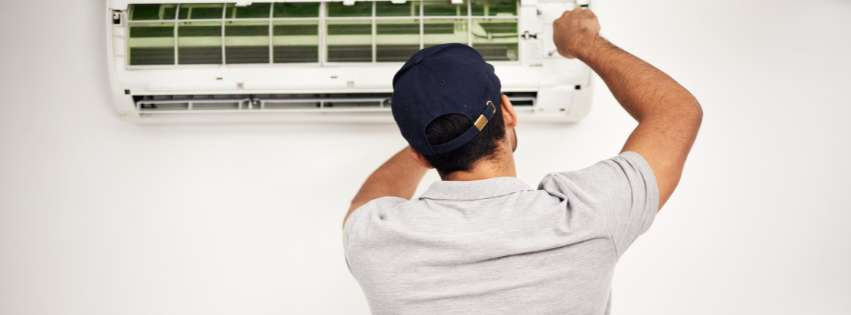
When Seattle gets a hot stretch, weak AC performance shows up fast. A breaker trips, the outdoor unit will not start, lights dim when the system kicks on, or a heat pump struggles to keep up.
Waiting can get expensive. A small electrical issue can overheat wiring, damage a compressor, shorten equipment life, or create trouble during an inspection or home sale.
That is why AC maintenance should include more than filter changes and coil cleaning. For Seattle homes, it should also include the electrical system that powers the cooling equipment safely.
Give us a call today!
Why This Matters for Seattle Area Homes
Seattle homes were not all built for today’s cooling loads. Many homes in Capitol Hill, Queen Anne, West Seattle, and older Eastside neighborhoods still have panels and branch circuits designed before heat pumps, EV chargers, smart panels, and home offices became common.
As a result, an air conditioner or heat pump may expose weak points that have stayed hidden for years.
Modern Cooling Adds Real Electrical Load
Central AC, ductless mini-splits, and heat pumps need dedicated circuits sized correctly for the equipment. The breaker, wire, disconnect, whip, and outdoor receptacle all need to match the load.
A breaker that trips repeatedly is not just annoying. It may mean the circuit is overloaded, the compressor is drawing too much current, or a connection is creating heat under load.
Electrician’s Note: We often see homeowners replace a tripping breaker with a larger one. That is unsafe unless the wire is also rated for the larger breaker. The breaker protects the conductor, not the appliance.
Seattle Weather Is Hard on Outdoor Electrical Parts
Rain, marine air, and shaded exterior walls can wear down outdoor disconnects and wiring faster than people expect. Because of this, AC maintenance should include checking for corrosion, loose lugs, damaged insulation, and weatherproof covers that no longer seal.
Moisture inside a disconnect or junction box can create arcing. That can cause nuisance trips, burned terminals, or equipment failure.
Older Panels May Need a Load Calculation
A 100-amp service can sometimes support cooling. That said, it depends on the full home load.
If the home also has an EV charger, electric range, dryer, hot tub, or heat pump water heater, a proper load calculation matters. Guessing can create an overloaded service and unreliable power.
The Smart Electric Seattle Process for AC Maintenance
At Smart Electric Seattle, we look at AC maintenance from the electrical side of safety and reliability. We want the cooling system to have clean, stable power.
1. We Start With the Homeowner’s Goals
We ask what is happening now. Is the AC tripping a breaker? Is a new heat pump being installed? Are you planning an EV charger next year?
That context helps us avoid short-term fixes that fail later.
2. We Inspect the Panel and Circuit
We check the service panel, breaker size, conductor size, labeling, grounding, and signs of overheating. Burn marks, brittle insulation, buzzing, or warm breakers all need attention.
If the panel is crowded or outdated, we explain the options clearly.
3. We Check the Outdoor Electrical Equipment
For outdoor AC and heat pump units, we inspect the disconnect, wiring whip, conduit, fittings, and weatherproofing. We also look for poor handyman repairs, open knockouts, and hidden junction boxes.
These details matter because outdoor equipment sees vibration, moisture, and seasonal load changes.
4. We Perform Code-Compliant Load Review
When needed, we complete a load calculation before adding or changing cooling equipment. This is especially important for homes moving from gas to electric appliances.
A 200-amp panel may be enough for many homes. Larger homes or heavy electrification plans may need a 400-amp service or a smart load management strategy.
5. We Install and Repair to NEC Standards
We pull permits when required, install proper breakers and wiring, and follow NEC and Washington L&I expectations. We also clean up, label clearly, and walk the homeowner through what changed.
Schedule your appointment today!
The DIY & Handyman Filter
AC maintenance can look simple from the outside. But the electrical side has very little room for guessing.
DIY or unlicensed work can create:
- Reversed polarity
- Undersized conductors
- Loose terminals
- Missing grounding
- Overloaded circuits
- Failed inspections
- Voided insurance claims
- Hidden junction boxes
- Damaged compressor equipment
A common shortcut is reusing an old circuit for a new AC or heat pump. That can be risky. New equipment may need different conductor sizing, breaker protection, disconnect placement, or GFCI protection depending on the installation.
Cheap power strips and extension cords are never a permanent solution for cooling equipment. AC units need properly rated, dedicated power.
Warning Signs You Shouldn’t Ignore
Call a licensed electrician if you notice:
- Breaker trips when the AC starts
- Lights dim when cooling turns on
- Buzzing from the panel or outdoor disconnect
- Burning smell near electrical equipment
- Warm breaker or panel cover
- Rust or water inside the disconnect
- AC unit shuts off during hot afternoons
- Outdoor wiring looks cracked or loose
- New heat pump installation was done without a permit
- Home has a 100-amp panel and multiple new electric loads
Key takeaway: repeated breaker trips are a warning sign, not a maintenance routine.
When to Call a Seattle Electrician
Schedule Service Soon
Schedule service if your AC runs, but the electrical system seems strained. This includes occasional dimming lights, a crowded panel, older wiring, or plans to add an EV charger.
It is better to check capacity before adding more load.
Call for Immediate Service
Call right away if you smell burning, hear buzzing, see scorch marks, or find water inside electrical parts. Also stop using the system if a breaker trips repeatedly after reset.
Those symptoms can point to heat, arcing, or equipment failure.
FAQ Section
Does AC maintenance include electrical inspection?
Good AC maintenance should include electrical inspection. The technician should check the breaker, wiring, disconnect, voltage, grounding, and signs of overheating. For Seattle homes with older panels, this helps prevent nuisance trips, equipment damage, and unsafe overloaded circuits.
Why does my AC breaker keep tripping?
An AC breaker may trip because the compressor is drawing too much current, the circuit is overloaded, or a connection is loose. Breakers trip to prevent overheating. Do not install a larger breaker unless the wiring and equipment are rated for it.
Do I need an electrician for ac-maintenance in Seattle?
You may need an electrician for AC maintenance if the issue involves breakers, wiring, panel capacity, disconnects, or permits. HVAC technicians handle the mechanical system. A licensed Seattle electrician makes sure the cooling equipment has safe, code-compliant power.
Are you ready?
If your AC or heat pump is putting stress on your electrical system, Smart Electric Seattle can help. We inspect panels, circuits, disconnects, grounding, and load capacity so your cooling equipment runs safely and reliably.
Contact Smart Electric Seattle for code-compliant AC maintenance support, panel upgrades, dedicated circuits, and electrical repairs across Seattle, Bellevue, Kirkland, and the Eastside.